.png?width=663&height=409&name=download%20(1).png)
AI Video Generator
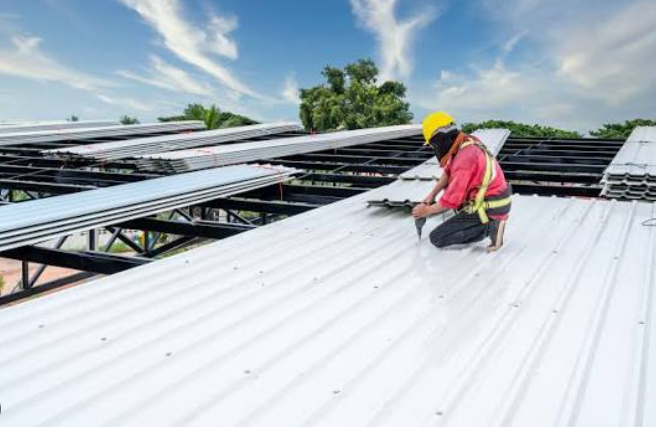

Homeowners in West Palm Beach face unique challenges when it comes to protecting their homes from the elements. With frequent storms, strong winds, and occasional hail in South Florida, understanding how to handle potential roof issues through your Insurance Roof Claims can bring peace of mind. Many residents discover valid coverage opportunities only after careful preparation, highlighting the value of clear information on the path ahead.
This guide offers practical insights tailored to the realities of living in West Palm Beach and surrounding Palm Beach County areas. It covers essential steps, common considerations under typical homeowners policies, and ways to approach the process thoughtfully for smoother outcomes.
Standard homeowners insurance policies in Florida generally provide protection for sudden and accidental damage to your roof. Common covered events include high winds from tropical storms or hurricanes, hail impacts during severe thunderstorms, and damage from falling trees or debris carried by strong gusts. These perils are particularly relevant in West Palm Beach, where coastal weather patterns can lead to such incidents.
Policies typically distinguish between these sudden events and gradual issues. For example, normal wear and tear, deterioration from age, or damage resulting from neglected maintenance usually falls outside coverage. Flooding from rising water often requires a separate flood policy, as it is not part of standard homeowners insurance. Many policies also include specific provisions for wind and hail, sometimes with separate deductibles that apply in storm scenarios.
Roof age and material quality play roles in how claims are handled. Newer roofs with durable, impact-resistant shingles or tiles often receive more favorable consideration. In Florida, insurers may reference roof schedules or depreciation based on the roof's age, which can affect the payout amount—full replacement cost for newer installations versus actual cash value for older ones. Understanding your specific policy language helps set realistic expectations.
West Palm Beach homeowners frequently encounter roof concerns linked to the region's subtropical climate. High-velocity winds can lift shingles, loosen flashing, or cause structural stress. Hail from intense thunderstorms may create dents or cracks, while wind-driven rain can lead to water intrusion if seals are compromised. Falling palm fronds or branches during storms add another layer of risk in leafy neighborhoods.
Recognizing these possibilities encourages proactive awareness. Even minor visible issues after a storm warrant attention, as hidden damage like compromised underlayment or decking can develop over time if left unaddressed.
Approaching a potential claim begins with timely action. Florida law and most policies emphasize prompt notification, often recommending contact with your insurer shortly after discovering damage. While statutory windows for filing can extend up to one year for initial claims in many cases, earlier steps tend to support better documentation and resolution.
Throughout this roof damage claim process, maintaining organized records helps everything move forward efficiently.
Detailed documentation serves as the foundation for successful outcomes. Comprehensive records help demonstrate that damage resulted from a covered event, supporting fair evaluations. Key elements often include timestamped images showing the full scope, written estimates from licensed professionals, and proof of any temporary protective measures like tarps.
A practical documentation checklist might look like this:
Such attention to detail reflects care for your property and can influence how claims are processed.
Partnering with experienced local roofers familiar with West Palm Beach conditions can provide valuable support. They often help identify subtle damage that might otherwise be overlooked, prepare detailed estimates aligned with current building codes, and coordinate with the claims process. Quality contractors emphasize proper installation using durable materials designed for Florida's climate, such as wind-rated shingles or impact-resistant tiles, which contribute to long-term home protection.
When selecting a roofer, look for licensed and insured professionals who understand insurance procedures. Some homeowners choose to involve the contractor during the adjuster inspection for real-time insights. This collaboration can lead to smoother repairs once approval is secured. Neal Roofing brings expertise to such situations, supporting homeowners with reliable service and quality materials throughout the region.
Settlements vary based on policy details. Approved claims may cover full replacement costs for newer roofs or account for depreciation on older ones. Deductibles—especially wind and hail percentages common in Florida—apply to the total loss amount. Supplemental claims can address additional damage discovered later during repairs.
Understanding these elements helps homeowners plan financially and avoid surprises.
Occasionally, disagreements arise over the scope or value of damage. In such cases, policies often include an appraisal process where both sides select independent appraisers, and if needed, a neutral umpire helps reach a binding decision. Florida also offers mediation options through the Department of Financial Services for property insurance disputes.
Staying informed and organized supports constructive resolutions. The Florida Office of Insurance Regulation or the Department of Financial Services can provide general guidance on consumer rights.
Once a claim advances, coordinating repairs involves finalizing agreements with your chosen contractor. Many policies allow assignment of benefits or direct payments to contractors under certain conditions. After initial work, supplemental claims can cover unforeseen issues uncovered during demolition or repairs. Thorough final documentation, including permits and inspection records, helps secure any recoverable depreciation.
Choosing contractors committed to high standards ensures repairs not only resolve the immediate claim but also enhance your roof's resilience against future South Florida weather.
What does homeowners insurance typically cover for roofs?
Most policies address sudden damage from wind, hail, falling objects, or fire, subject to policy terms, deductibles, and exclusions like wear and tear or flooding.
How long do I have to file a claim in Florida?
Prompt notification is recommended, with statutory guidelines often allowing up to one year for initial claims, though earlier filing supports stronger documentation. Always check your specific policy.
What documentation do I need?
Photos, videos, contractor estimates, receipts, and weather reports form a solid foundation. Detailed records help clarify the connection to covered events.
Can I dispute an insurance adjuster's assessment?
Yes. Options include providing additional evidence, requesting a re-inspection, invoking the appraisal clause, or exploring mediation through state resources.
Navigating insurance matters for your roof requires patience and preparation, but it empowers homeowners to secure appropriate support when needed. By focusing on quality documentation, working with reputable professionals, and understanding policy basics, you position yourself for better results. Investing in durable roofing solutions and staying attentive to your home's condition contributes to lasting protection in this vibrant Florida community.