.png?width=663&height=409&name=download%20(1).png)
AI Video Generator
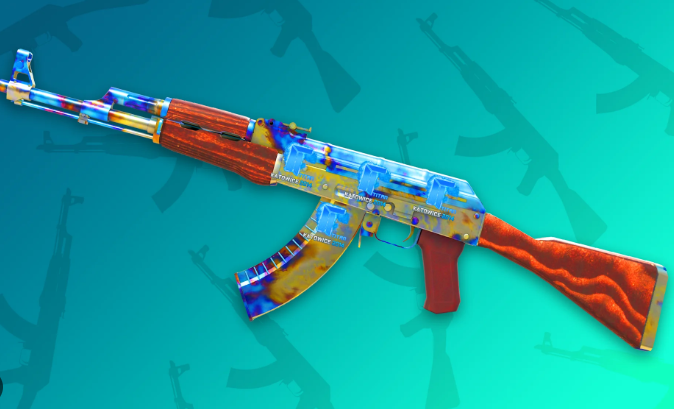

The Counter Strike 2 skin market has matured into a complex digital economy where prices shift daily based on supply, demand, case releases, and community trends. For anyone holding a valuable inventory or looking to pick up a new playskin, knowing the true value of an item before you commit to a trade or purchase is essential. This guide walks you through exactly how to check what any skin is currently worth using a clear, repeatable process. Whether you are a newcomer trying to price your first case opening or a returning player dusting off an old inventory full of legacy items, the steps outlined here will help you navigate the market with confidence. At cs2skins.gg, checking CS2 skin prices is streamlined into a straightforward workflow that pulls real time data from multiple marketplaces, letting you compare listings, analyze price history, and filter by the exact condition of the item you are researching.
Before diving into the mechanics of price checking, it helps to clarify what we actually mean when we talk about a skin's worth. Many players assume there is one fixed price attached to each skin name. This could not be further from the truth. A skin's value is a moving target shaped by several overlapping factors.
The most immediate factor is the wear condition, officially called float value. Every skin exists somewhere on a spectrum from Factory New down to Battle-Scarred. Two copies of the exact same skin name, say an AK-47 Bloodsport, can have wildly different prices if one is Factory New with a clean look and the other is Well-Worn with heavy scratches. The float is a number between zero and one, and lower is always better for visual quality. When you are checking csgo skin prices, you must always specify the wear condition to get an accurate reading.
Pattern index is another variable that can multiply or divide a skin's value, especially on finishes like Case Hardened, Fade, Crimson Web, and Doppler. A Karambit Case Hardened with a pattern heavy on bright blue will command a massive premium over the same knife with a dull, scattered pattern. Doppler knives split further into phases, with Sapphire, Ruby, and Black Pearl fetching astronomical prices compared to Phase 1 or Phase 3 variants. Checking the worth of these items requires comparing not just the skin name and wear, but also the specific pattern or phase.
StatTrak counters add a predictable premium, usually sitting somewhere between ten and fifty percent above the non-StatTrak version depending on the skin and weapon popularity. Souvenir versions, which come with golden tournament stickers already applied, follow their own pricing logic that ties to the specific match, map, and player signatures they carry. These special attributes create sub-markets within the broader skin economy, and ignoring them leads to serious pricing errors.
Beyond the item attributes, market liquidity shapes worth in real time. The lowest listing price across active marketplaces is the most practical definition of what a skin is currently worth. If you need to sell quickly, the highest standing buy order tells you what instant liquidity looks like. The spread between these two numbers is the cost of speed. For a more realistic view of value, looking at the recent completed sales over the past seven or thirty days reveals what buyers have actually been willing to pay, smoothing out outliers and giving a clearer picture of steady demand.
The process of checking a skin's current market value is methodical. Following these steps in order eliminates guesswork and prevents costly mistakes.
The first step is identifying exactly what you have or what you want. Write down the full item name, the exterior wear condition, and any special attributes like StatTrak or Souvenir. If the skin has a pattern dependent finish, take a screenshot of the pattern or note the pattern index number from your inventory. You cannot accurately price a Case Hardened Butterfly Knife without knowing what the pattern looks like, so this step is critical for those items.
Next, open the cs2skins.gg homepage and enter the skin name into the search bar. The database covers the entire catalog, so even older items from discontinued cases will appear. Select the correct item from the search results to open its dedicated item page. This page serves as your command center for all pricing data related to that specific skin.
Once on the item page, the first filter to apply is wear condition. The page will let you toggle between:
Selecting the right wear immediately narrows the listings to comparable items. If you have a specific float range in mind, such as only wanting a Factory New skin with a float below 0.01 for near perfect appearance, you can set that threshold as well. Some platforms also let you filter for StatTrak or Souvenir variants at this stage.
After setting your filters, you will see a comparison table of active listings across multiple connected marketplaces. Each row represents a live listing from a different platform. The table shows the listed price, the exact float value of that specific item, any stickers or nametags applied to it, and the marketplace where it is being sold. Prices are displayed in your chosen currency, making cross marketplace comparisons simple. The lowest listing is what you would pay today if you bought right now. This is the most accurate reflection of the skin's immediate market value.
Below the active listings, the price history chart shows the item's price movements over daily, weekly, and monthly timeframes. This chart is valuable because it tells you whether the current lowest listing is typical or an outlier. If the chart shows a steady price around a certain level and the current lowest listing is significantly above that, you may want to wait for a new seller to list at the normal rate. If the chart shows a gradual upward trend, buying sooner rather than later might save you money.
For pattern based skins, the item page often includes example screenshots or lets you input a pattern index to see exactly what the finish looks like. This visual confirmation is essential before committing to a purchase, especially on knives where the pattern can make a thousand dollar difference.
When you are ready to browse the full selection available, the browse all skins section on cs2skins.gg lets you explore every weapon, finish, and rarity tier in one place, giving you a sense of the broader market landscape beyond the single item you are researching.
A listing is more than just a dollar amount. Reading the details correctly prevents overpaying and helps you spot hidden value that other buyers might miss.
The price you see on a marketplace listing is rarely the price you pay. Most platforms charge a buyer fee or a processing fee on top of the listed price. A skin listed at one hundred dollars might cost you one hundred and five or one hundred and ten after fees are applied. Different marketplaces structure these fees differently, and the real cost to your wallet can vary by platform even when the base listing price is identical. Before you click buy, check the final checkout total. A listing that appears cheaper at first glance might actually cost more after fees than a competing listing on a different platform. Understanding marketplace fees across different platforms ensures you are making true cost comparisons rather than being misled by a lower sticker price.
The float value displayed in a listing tells you exactly how worn that specific copy is. Two Factory New skins can have different float values, and a 0.06 float will show more subtle wear than a 0.001 float. Sellers often charge a premium for exceptionally low float items, sometimes called "true Factory New" in collector circles. Always check the float number rather than relying solely on the wear category label.
Stickers applied to a weapon can add value or mean nothing at all. A skin with four matching tournament holos from a 2014 major is a collector's item worth far more than the base skin. A skin with a random assortment of cheap community stickers is worth the base skin price and nothing more. The general rule among traders is that applied stickers retain roughly five to ten percent of their unapplied value, but this varies wildly based on the sticker rarity, the skin it sits on, and how well the colors match. High tier stickers on a desirable skin in a clean position can retain much more value, while random stickers on an undesirable skin add nothing.
A nametag on a weapon does not increase its market value. In fact, some buyers consider a nametag a drawback because they need to remove it for a clean look. Do not pay extra for a skin just because it has a funny name unless that name holds personal significance to you. Similarly, StatTrak swap tools that transfer kill counts between identical skins are a niche aftermarket service and do not affect the base value of the item itself.
Skin prices are not static. They respond to a variety of external forces, and understanding these triggers helps you time your purchases and sales more effectively.
When a new case drops, the market often experiences a temporary dip as players liquidate existing skins to fund new case openings. New operation releases bring fresh agent skins, weapon collections, and sticker capsules that compete for wallet share. During these periods, older skins can drop five to fifteen percent as attention shifts to the new content. Savvy buyers often wait for these windows to pick up items they have been watching.
Major tournaments create demand spikes for skins used by star players. When a professional player pulls off an iconic play with a specific skin, that item often sees a short term price bump as fans rush to copy the loadout. Stickers from the tournament itself become more valuable over time if the event was memorable or the team stickers look particularly good when scraped.
Counter Strike 2 updates occasionally adjust lighting, shaders, or material properties. A skin that looked flat and dull might suddenly pop with the new rendering system, causing its price to rise. The opposite can also happen. Following patch notes and community discussions helps you anticipate these shifts before they are fully priced in.
Like any market, the skin economy experiences waves of hype and consolidation. Certain finishes or weapon types fall in and out of fashion. A few years ago, the AWP Dragon Lore was the undisputed grail. Today, while still extremely valuable, newer and shinier options compete for the top spot in collector portfolios. Paying attention to community forums, trading discords, and content creator trends helps you spot where the market is heading.
Before committing your money to a skin purchase, run through this mental checklist. It takes thirty seconds and can save you from buyer's remorse.
The most accurate method is to look at the lowest active listing across multiple marketplaces for your exact skin, wear condition, and variant. Then compare that number against recent completed sales to ensure the listing is not an outlier. This combination of live supply and actual demand gives you the truest sense of current market value.
This happens when a particular skin has a float cap. Some skins simply do not exist in Factory New condition, or they are so rare in Factory New that the Minimal Wear versions trade more frequently and establish a more liquid price. When a Factory New copy does surface, it might actually be cheaper due to an unmotivated seller or lower demand for that specific finish.
Some do, most do not. High value tournament stickers from older majors, especially holographic or foil variants, can add significant value when applied to a desirable skin. The standard estimate is five to ten percent of the sticker's unapplied value, but this increases for rare stickers on popular skins. Common community stickers add nothing.
Prices on active marketplaces update in real time as listings are posted and sales complete. The price history charts on cs2skins.gg aggregate this data so you can see daily, weekly, and monthly trends at a glance. Major price movements tend to cluster around case releases, operations, and tournament events.
Yes. Since many marketplaces operate with real currency deposits and withdrawals, broader economic factors like currency exchange rates, payment processor policies, and regional buying power all influence the flow of money in and out of the skin economy. These effects are usually gradual rather than sudden.
A listing is a seller offering a skin at a specific price. A buy order is a buyer stating what they are willing to pay. The lowest listing represents the cheapest available copy right now. The highest buy order represents what you could get instantly if you sold without waiting. The gap between them is the spread, and it reflects the liquidity of that particular skin.